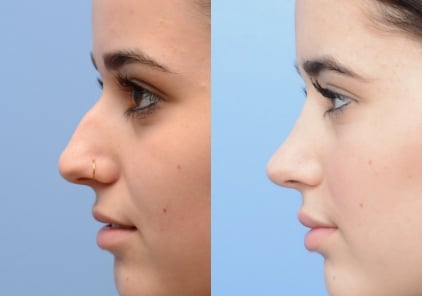
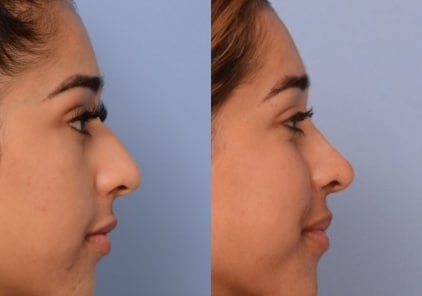
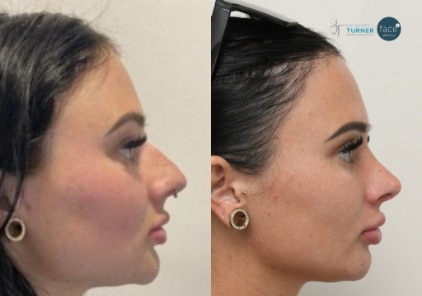
Dr Turner and his staff ensure that you are fully informed about the procedure you are having. When you choose our practice, we will provide guidance and support throughout the process. We will give you the time you need to answer all your questions.
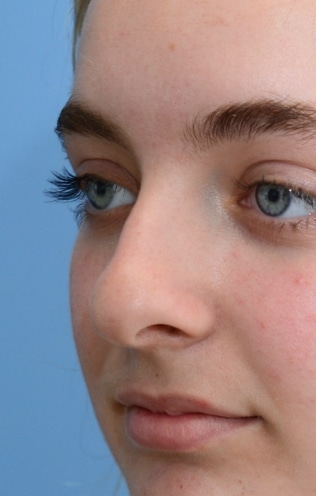
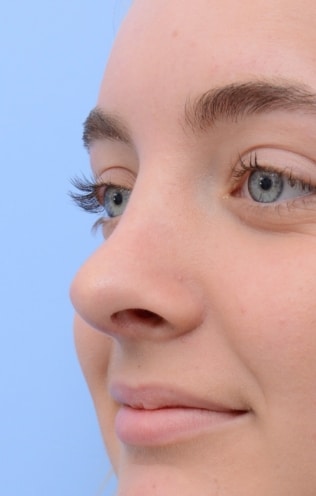
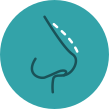
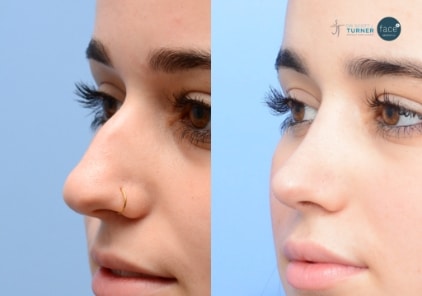
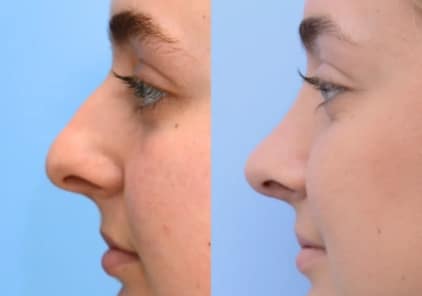
Reduce the prominence and size of the dorsal hump
This is performed by removing the excess bone or cartilage from the hump.
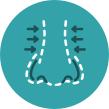
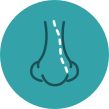
During the procedure, Dr Turner carefully makes the incisions to gain access to your nasal skeleton. The nasal hump is first removed by shaving down the cartilage and bone. It is usually necessary to adjust the nasal bones to allow them to meet in the midline and create the new narrowed nasal dorsum. This also narrows the bony base of the nose at the bridge.
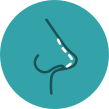
Next, the cartilage under the skin that shapes the tip of the nose is adjusted in size and shape. In some cases, an additional incision across the base of the nose at the nostrils is used to narrow the base of the nose.
Sutures are then placed inside the nostrils and across the columella. Tapes and a splint are applied for support. The nasal splint is required for seven days to support and protect the bones while they adjust to their new position. Internal silicone splints may be used to ensure the lining of the nose sets correctly.
Open or Closed Rhinoplasty?
Open Rhinoplasty
The incision starts inside the nostril and continues over the columella – the tissue that separates the nostrils at the base of the nose.
VS
Closed Rhinoplasty
This involves creating all the incisions inside the nostril and is used for minor to moderate nasal reshaping.
Quick Enquiry
Who is
Dr Scott Turner?
Dr Scott Turner has spent several years acquiring the qualifications, education, training, and hands-on surgical experience to perform cosmetic plastic surgery. Dr Scott J Turner has a specialty interest in aesthetic surgery of the Face, Nose, and Breast.
Achieving this requires not only an in-depth knowledge of human anatomy and refined surgical techniques but also an ongoing commitment to learning the latest advancements and techniques. This is why Dr Turner regularly attends both local and international surgeon meetings – discussing these advances with leaders around the world.
Suitable Candidates for a Rhinoplasty
Suitable candidates for the procedure must be:
Medically and psychologically healthy
A non-smoker or are willing to stop smoking
Willing to follow specific instructions before and after the procedure
In addition, candidates for rhinoplasty are looking to change the size, shape, and symmetry of their nose due to cosmetic concerns, or are experiencing breathing difficulties due to nasal deformities resulting from birth defects or injuries.
Recovery after Rhinoplasty Surgery
While some results will be seen when the splint is removed, it takes about a year before the final result can be fully seen. Your nose may feel numb after surgery as the nasal tissues heal.
Contact lenses can be worn immediately, however, if you wear glasses, they must not put pressure on your nose for the first 4-6 weeks. You can usually return to work 10-14 days after surgery. You can resume light exercise in 2 weeks but refrain from strenuous activities for 6 weeks.
Get In Touch
Book your consultation with Dr Scott Turner
We make every effort to keep your visit private and discreet. Because everyone is different, we make sure you receive a customised evaluation and procedure plan, designed to meet your individual needs.
Ask us a question
Looking to reshape, resize and adjust your nose? Reach out to us to secure a consultation with Dr Scott Turner.