With Dr Scott Turner
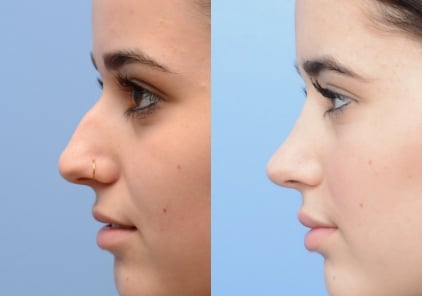
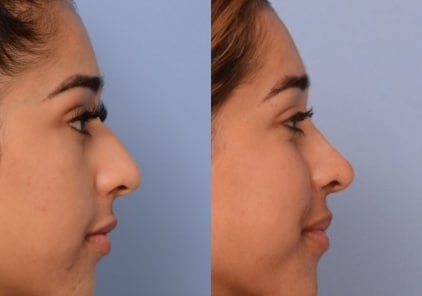
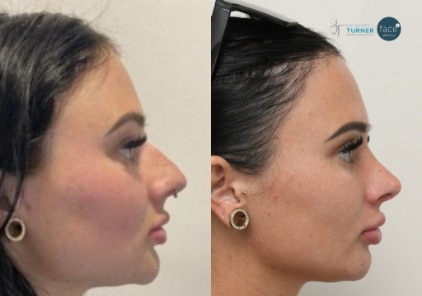
Secondary rhinoplasty, often referred to as revision rhinoplasty, is a surgical procedure performed to correct the results of a previous rhinoplasty. Patients may seek secondary rhinoplasty for various reasons, including dissatisfaction with the aesthetic outcome, functional issues with breathing, or complications from the initial surgery.
Address issues that have caused breathing difficulties after the initial Rhinoplasty surgery
Address issues from a previous rhinoplasty, whether they are related to the appearance or function of the nose.
Address complications to functional requirements of the nose from the initial surgery.
Involving reshaping the nasal tip, straightening the nasal bridge, or correcting any other issues
The How and Why
Secondary rhinoplasty, often referred to as revision rhinoplasty, is a surgical procedure performed to correct the results of a previous rhinoplasty. Patients may seek secondary rhinoplasty for various reasons, including dissatisfaction with the aesthetic outcome, functional issues with breathing, or complications from the initial surgery.
Revision rhinoplasty is generally considered more challenging than primary rhinoplasty because Dr Turner has to address altered nasal anatomy and tissue scarring from the previous surgery.
When considering revision rhinoplasty, it’s crucial to consult with a board-certified plastic surgeon or an ENT specialist who regularly performs nasal surgery.
The incision starts inside the nostril and continues over the columella – the tissue that separates the nostrils at the base of the nose.
This involves creating all the incisions inside the nostril and is used for minor to moderate nasal reshaping.
Who is
Dr Scott Turner has spent several years acquiring the qualifications, education, training, and hands-on surgical experience to perform cosmetic plastic surgery. Dr Scott J Turner has a specialty interest in aesthetic surgery of the Face, Nose, and Breast.
Achieving this requires not only an in-depth knowledge of human anatomy and refined surgical techniques but also an ongoing commitment to learning the latest advancements and techniques. This is why Dr Turner regularly attends both local and international surgeon meetings – discussing these advances with leaders around the world.
Suitable candidates for revision rhinoplasty are looking to address the outcomes of the initial rhinoplasty. Revision surgery is typically undertaken to address both aesthetic and functional concerns related to the nose.
It’s essential to maintain realistic expectations before proceeding with a revision procedure as it can be more complex compared to initial rhinoplasty. Given these considerations, Dr Turner will carefully assess any patient whom he deems suitable, however, if you have previously had rhinoplasty surgery with a different surgeon, it is often best to see the same surgeon for your revision as they know your operative history.
You will experience post-operative pain which can be managed by taking the prescribed medications. Have someone fill the prescription, drive you home, and take care of you as you recover during the first few days after surgery.
While some results will be seen when the splint is removed, it takes about a year before the final result can be fully seen. Your nose may feel numb after surgery as the nasal tissues heal.
Contact lenses can be worn immediately, however, if you wear glasses, they must not put pressure on your nose for the first 4-6 weeks. You can usually return to work 10-14 days after surgery. You can resume light exercise in 2 weeks but refrain from strenuous activities for 6 weeks.